27 October 2026 · 3 min read
The Language of Power
Power is understood differently depending on where you stand.
In Western Europe, it often speaks through institutions, procedures and restraint. Further east, it can feel more personal, more visible, more closely tied to relationships and individual authority.
Neither distinction is absolute. Both worlds operate through written rules and another set that everyone seems to understand without ever putting them on paper.
I find myself somewhere between these perspectives. Familiar with both, increasingly curious about their differences, and fascinated by how much our understanding of power depends on the culture in which we learned to recognise it.
Whenever I return to Warsaw, I am reminded that a city can change its language without entirely changing its accent.
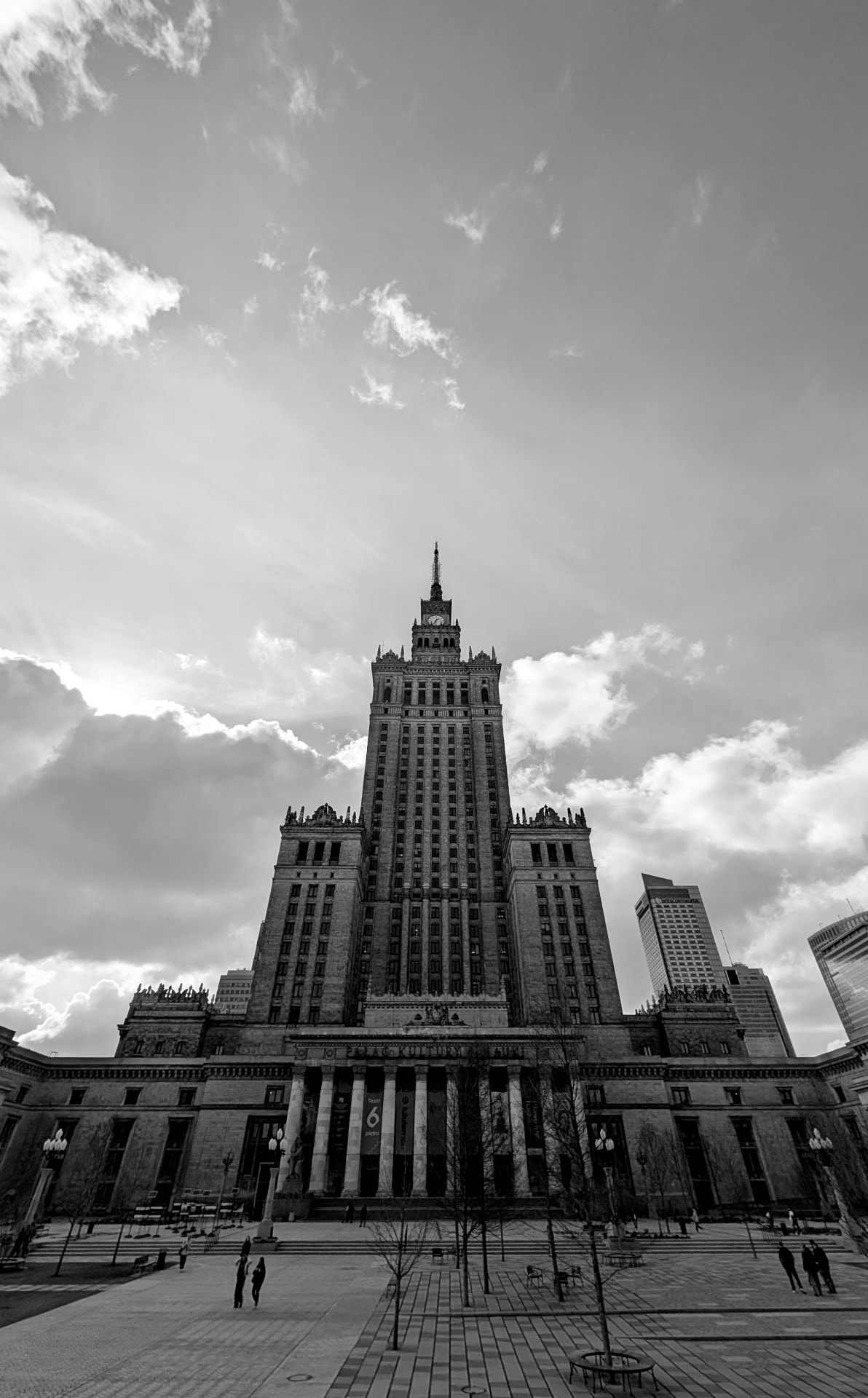
At its centre stands the Palace of Culture, a monument to Soviet power, surrounded by the architecture of a very different era.
They can build another fifty towers, taller and more beautiful. The Palace will still dominate.
Not because of its height, but because of what it represents.
Perhaps people are not so different. We can change countries, adopt new institutions and learn entirely different rules. But our origins, cultural heritage and the instincts we inherit are not so easily replaced.
You can change a skyline. A cultural identity takes much longer.